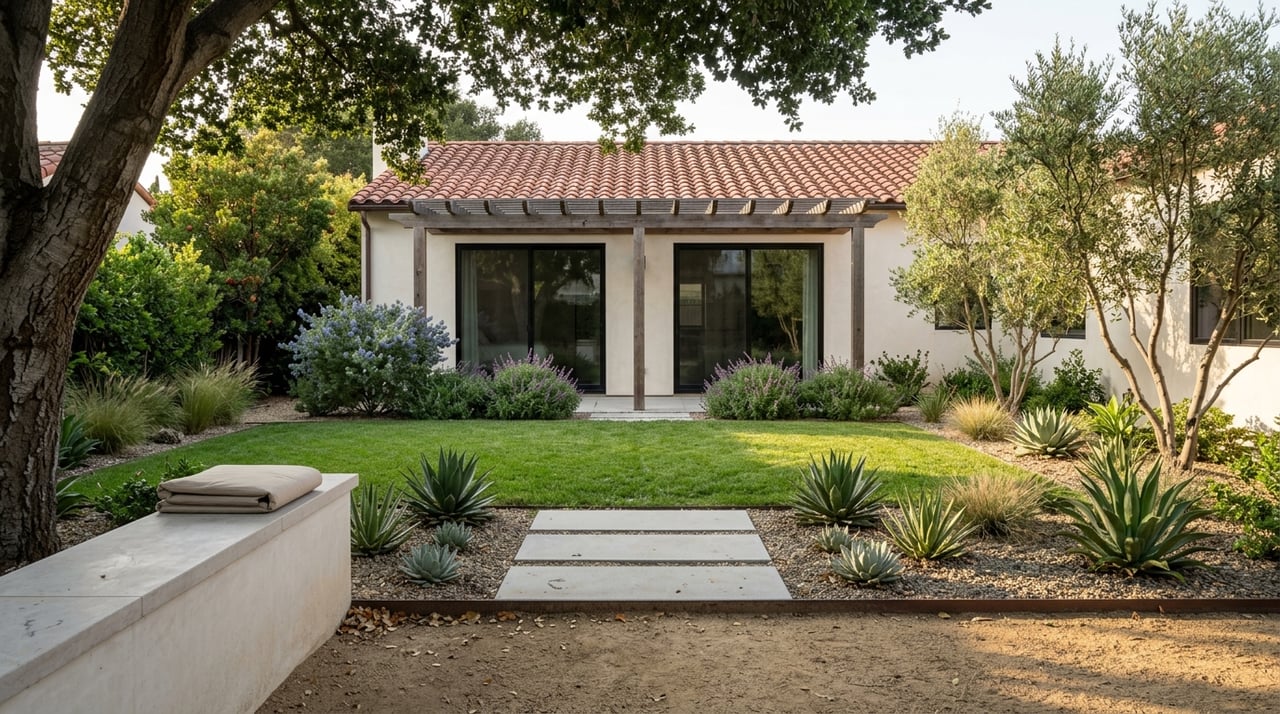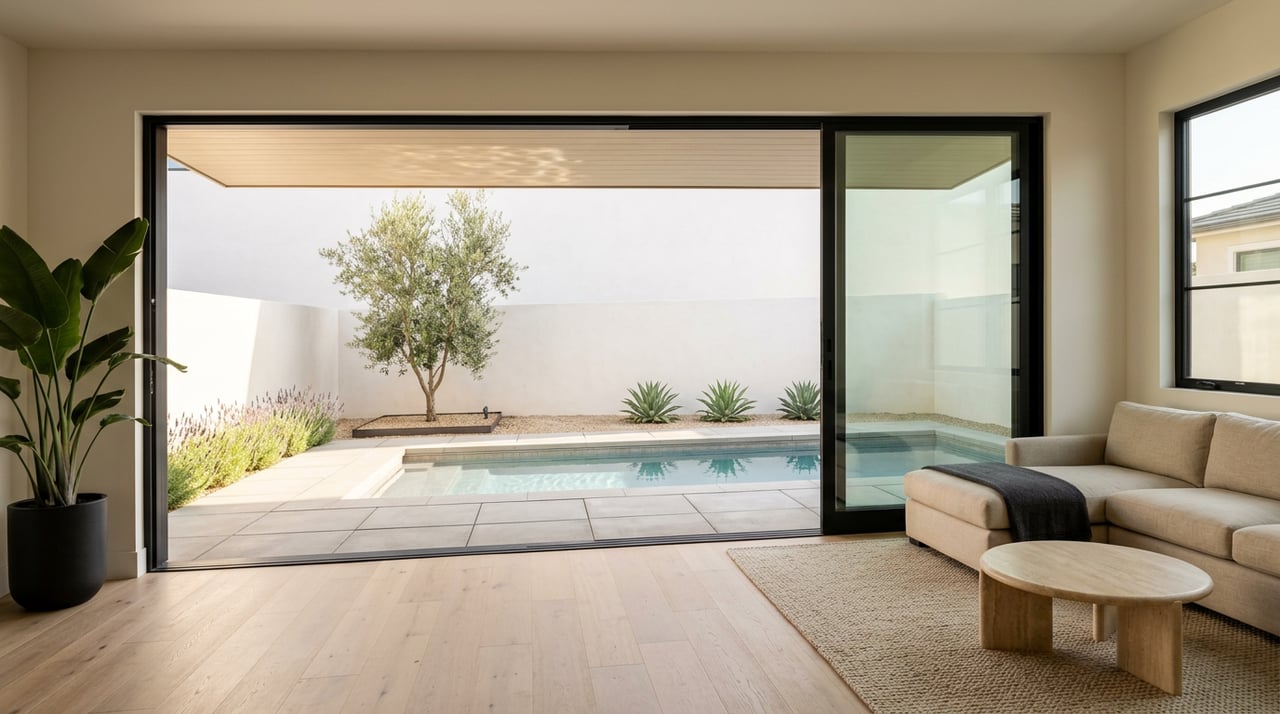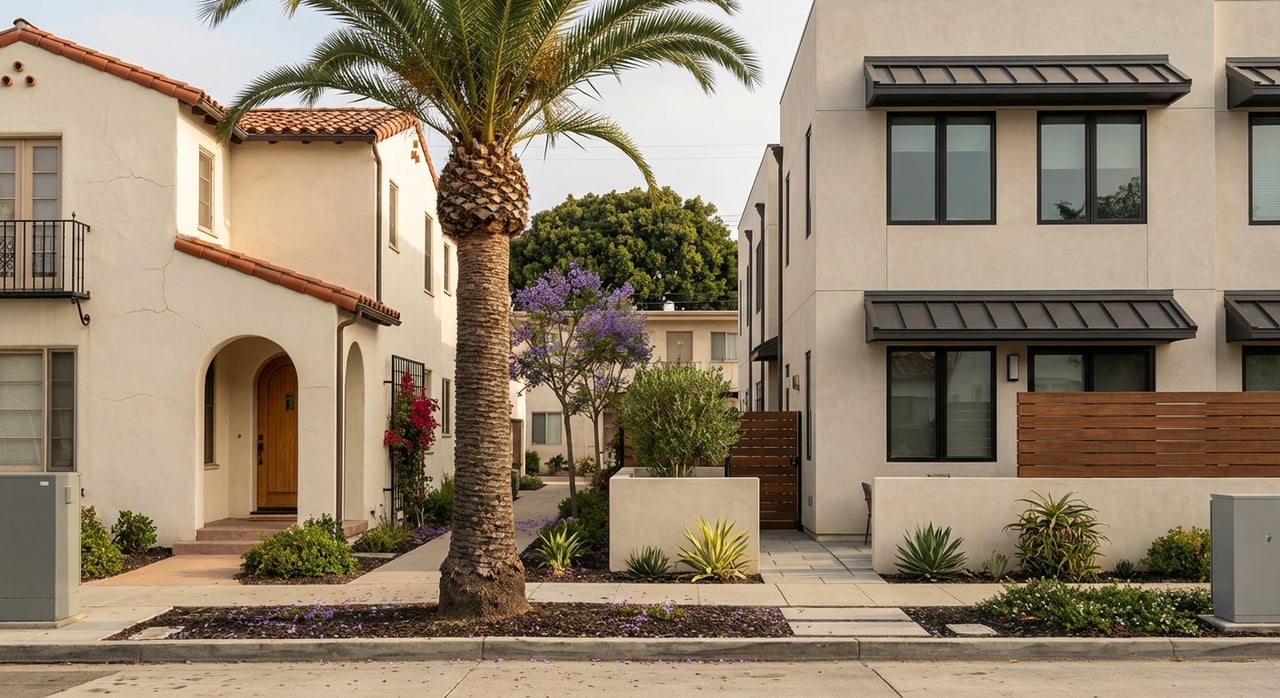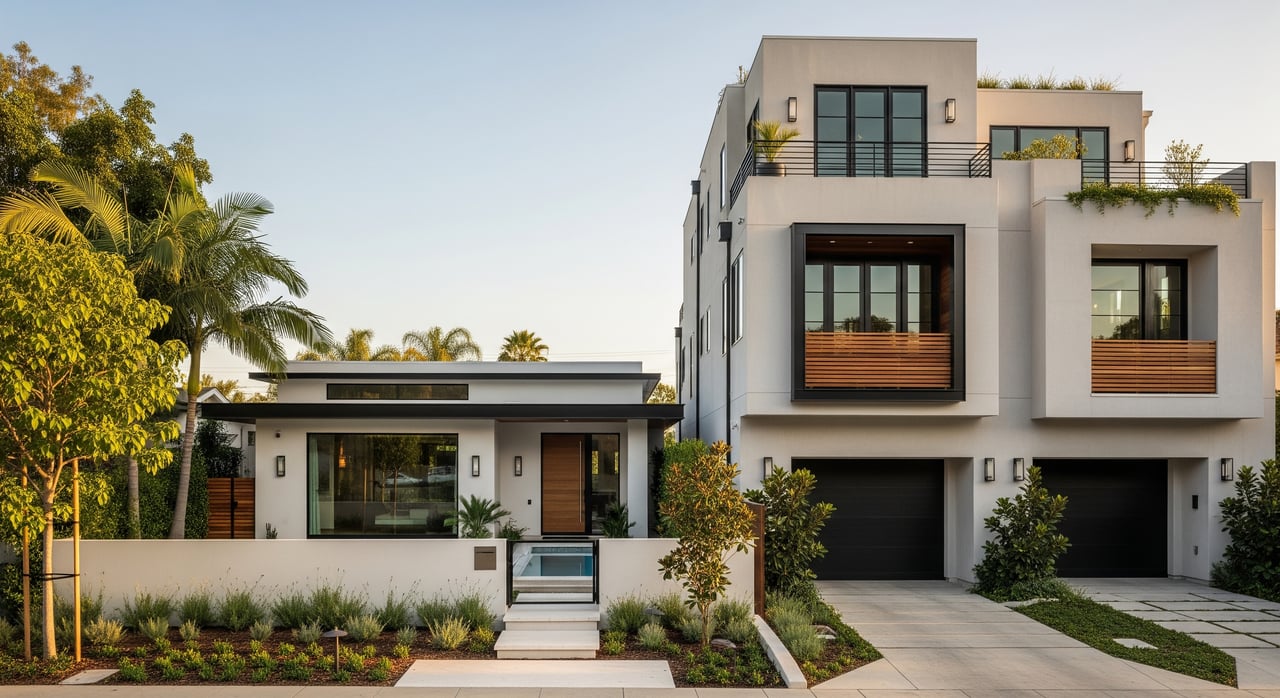
Thinking about a West LA townhome or a single-family house and not sure which fits you best? You are not alone. In 90025, the choice often comes down to how you want to live, what you can comfortably carry each month, and how much control you want over maintenance and future changes. This guide breaks down the real costs, lifestyle tradeoffs, and financing realities so you can move forward with clarity. Let’s dive in.
Quick comparison
Townhome strengths
- Lower exterior maintenance handled by an HOA.
- Often a lower entry price than a comparable house in the same area.
- Multi-level layouts, newer systems, and sometimes rooftops or small patios.
House strengths
- More privacy and fewer shared walls.
- Yard space, expansion options, and ADU potential subject to local rules.
- More control over exterior, finishes, and long-term improvements.
Total cost of ownership
Purchase price vs. monthly spend
The sticker price is only part of the picture. In your budget, include: mortgage payment + property tax + homeowners insurance + HOA dues if any + routine maintenance + utilities. Townhomes can look more affordable upfront, but higher HOA dues or special assessments can shift the math.
Property taxes in California
Under Proposition 13, base property tax is roughly 1% of your assessed value at purchase plus local voter-approved assessments. Your assessed value typically cannot rise more than about 2% per year until there is a change in ownership or new construction. When you buy, your tax basis usually resets to market value.
HOA dues and assessments
Most West LA townhomes have HOAs. Dues vary based on services like landscaping, exterior maintenance, master insurance, and amenities. HOAs can levy special assessments when reserves are low or projects arise. Always review the latest budget, reserve study, meeting minutes, and any assessment notices before you commit.
Insurance differences
- Houses usually need an HO-3 policy covering the structure, liability, and contents.
- Townhome and condo owners typically carry an HO-6 policy for the interior and personal coverage. The HOA’s master policy covers common elements and may cover some exterior features depending on whether it is an all-in or bare-walls policy.
- Earthquake insurance is separate and optional in California. Premiums and deductibles vary. Flood coverage is separate as well.
Maintenance and repairs
With a house, you handle the roof, exterior, landscaping, and major systems, but you also control timing and quality. With a townhome, the HOA often manages exterior items and spreads costs across owners. In West LA, labor and materials often run higher than national averages, so plan your maintenance budget accordingly.
Ownership and control
Townhome vs. condominium vs. fee simple
“Townhome” describes a style, not a legal form. A townhome can be fee simple, where you own the land beneath your unit, or it can be a condominium form of ownership. Your deed and the CC&Rs determine responsibility for roofs, exterior walls, and shared areas. Confirm fee simple or condominium on the title report and in the listing details.
Design freedom and rules
With a house, you usually have more freedom to change the exterior, add landscaping, or expand within zoning. In a townhome community, exterior changes typically require HOA approval and must comply with CC&Rs. Know the rules before you plan any big projects.
Space, privacy, and outdoor living
Privacy and noise
Single-family homes typically have no shared walls and offer better noise separation. Townhomes often share one or two party walls and may concentrate living areas across multiple levels. Consider your tolerance for sound and shared spaces.
Outdoor space and ADUs
Houses in 90025 commonly offer yards suitable for play, pets, gardening, or entertaining. They also present better potential for ADUs, subject to state ADU reforms and LA City zoning. Townhomes may offer small patios or rooftop decks, but ADU options are usually limited by the project’s rules and site layout.
Parking and West LA realities
Private vs. shared parking
A house will often include a driveway or garage plus street parking, subject to local restrictions. In townhome communities, garages are common, but guest parking may be limited and governed by HOA rules. Near UCLA and commercial corridors, curb parking can be scarce and some streets use permit zones. Verify parking rules early, including any HOA guest policies.
Transit and code considerations
The City of Los Angeles can apply different parking minimums near transit in certain zones. If parking is a priority for you or your lender, confirm lot-level compliance and any community restrictions.
Financing and appraisal
Project review for condos and some townhomes
Condominiums usually require a project review for certain loan types. Lenders and programs may evaluate owner-occupancy ratios, reserve funding, litigation, and mixed-use percentages. Projects with weak financials can reduce loan options.
FHA, VA, and conventional
If you plan to use FHA or VA, confirm property and project eligibility early. Fee simple townhomes and detached homes are typically underwritten more like single-family properties, while condos face additional project criteria. Conventional loans can be similar across property types, but condo overlays may apply.
Appraisals and timing
Appraisers use recent local comps of the same property type. In tight West LA micro-markets, unique townhomes or highly remodeled homes can face appraisal challenges due to limited comps. Condo and townhome purchases also involve HOA documents that can slow timelines if not ordered promptly. Build time for document review into your plan.
Market dynamics in 90025
West LA, including 90025 and adjacent areas like Westwood and Sawtelle, attracts a mix of owner-occupants and investors. Attached inventory can be competitive for buyers seeking lower maintenance living. Cash or cash-like offers show up in some segments. The tempo changes quickly, so align your offer strategy with current days on market, list-to-sale ratios, and inventory levels at the time you shop.
Due diligence for attached homes
Use this checklist when you pursue a townhome or condo:
- Title and tax: Preliminary title report, current property tax bill, and any Mello-Roos disclosures. Confirm assessed value assumptions under Proposition 13.
- HOA documents: CC&Rs, bylaws, budget, reserve study, 12–24 months of meeting minutes, master insurance policy, litigation disclosures, current dues, and any special assessments.
- Insurance: Confirm master policy type and coverage, then get HO-6 quotes. Explore earthquake coverage if desired.
- Inspections: Full home inspection and pest/termite. Clarify responsibility for roofs, balconies, chimneys, and foundations.
- Permits and alterations: Verify permits for any additions or conversions. Older West LA homes may include unpermitted work.
- Parking and neighborhood: Confirm assigned spaces, guest rules, street permits, and any planned municipal projects affecting access.
- Resale and rental rules: Review rental caps or restrictions and consider your likely resale audience and time horizon.
Create your search brief
Clarify these points to streamline your decision:
- Budget and monthly cap: Decide your absolute monthly limit after adding mortgage, taxes, insurance, HOA dues, utilities, and maintenance.
- Financing: Will you use FHA or VA, and do you require a project that qualifies?
- Must-haves: Beds, baths, parking type, private outdoor space, office area, or rooftop deck.
- Tolerance: Shared walls, multi-level living, proximity to commercial corridors or UCLA, and street parking if needed.
- Maintenance: Prefer HOA-managed exterior or full control with a house.
- Time horizon: Short hold vs. long-term residence, which affects remodel and rental flexibility.
- Location tradeoffs: Walkability and transit access vs. lot size and privacy. Note preferred micro-neighborhoods and any relevant school boundary considerations.
Which path fits you best
Choose a townhome if you want simpler exterior maintenance, value a lower entry price in a coveted location, and are comfortable with HOA rules. This can be a smart fit if you prioritize convenience and predictable shared upkeep.
Choose a house if you want privacy, larger outdoor spaces, and future flexibility for renovations or an ADU, and you are comfortable handling exterior maintenance and capital projects. This path suits you if control and long-term customization matter.
If you want help weighing tradeoffs or modeling your true monthly costs, let’s talk. With hands-on, local guidance and a clear, data-aware process, you can buy with confidence in 90025 and greater West LA.
Ready to compare live options in 90025 and nearby neighborhoods? Schedule a conversation with Kate Nalbandova to align your goals, budget, and timeline.
FAQs
What is the biggest cost difference between a 90025 townhome and a house?
- Beyond the purchase price, townhomes often include monthly HOA dues and potential special assessments, while houses put exterior costs directly on you. Your total monthly should add mortgage, property tax, insurance, HOA if any, maintenance, and utilities.
How do HOA dues and reserve studies affect West LA townhome buyers?
- Dues fund services and reserves for future repairs. A strong reserve study can reduce the chance of special assessments. Always review the HOA budget, reserves, meeting minutes, and any pending assessments before you write an offer.
Can I add an ADU on a 90025 single-family lot?
- Many single-family lots have better ADU potential thanks to state ADU reforms and local zoning, subject to site conditions and approvals. Townhome and condo projects often restrict additions through CC&Rs.
What should I know about financing a condo or townhome in West LA?
- Condos often require project review for FHA, VA, and some conventional loans. Lenders look at owner-occupancy, reserves, litigation, and commercial space. Confirm eligibility early and make sure your lender understands the project’s status.
How does Proposition 13 impact my Los Angeles property taxes?
- Your base tax is roughly 1% of assessed value at purchase plus local assessments, and annual increases are generally capped near 2% until the next change of ownership or qualifying improvements. When you buy, your assessment typically resets to market value.