Thinking about turning a backyard, garage, or small duplex into steady income in West LA? In 90025, strong rental demand and clear ADU rules make small investments feel less like a gamble and more like a plan. If you own or want to buy here, you can stack value with an ADU, a duplex, or a modest multifamily while keeping risk and scope manageable. In this guide, you’ll learn how ADUs fit into Los Angeles rules, what costs and timelines to expect, how to underwrite simple returns, and where to focus due diligence. Let’s dive in.
Why 90025 works for small rentals
90025 sits close to UCLA, Century City, and the Westside job base. That mix supports consistent demand for smaller rentals and housing for students and young professionals. UCLA reports total enrollment around 46,678, which helps explain the steady demand for nearby housing and transit access. You can confirm the figures on UCLA’s published Facts & Figures.
Rents in West Los Angeles are high relative to the broader metro. Recent trackers show a West LA median near 3,100 dollars a month, with 1‑bedroom listings often in the low to mid 2,000s and many 2‑bedroom units in the 3,000s to 4,000s range. For current context, review the West Los Angeles rent research snapshot when pricing a new ADU or duplex unit.
Bottom line: in 90025, small, well‑located units tend to lease quickly and command healthy rents. That is why ADUs, duplexes, and compact multifamily can punch above their weight here.
What you can build or buy
Single‑family with an ADU
If you own a house, an accessory dwelling unit can create a new income stream without changing your main home’s use. State law provides a strong ministerial, by‑right path to build ADUs subject to objective standards like size, height, and setbacks. The California HCD summarizes the core rules in the ADU Handbook.
Common options in 90025 include:
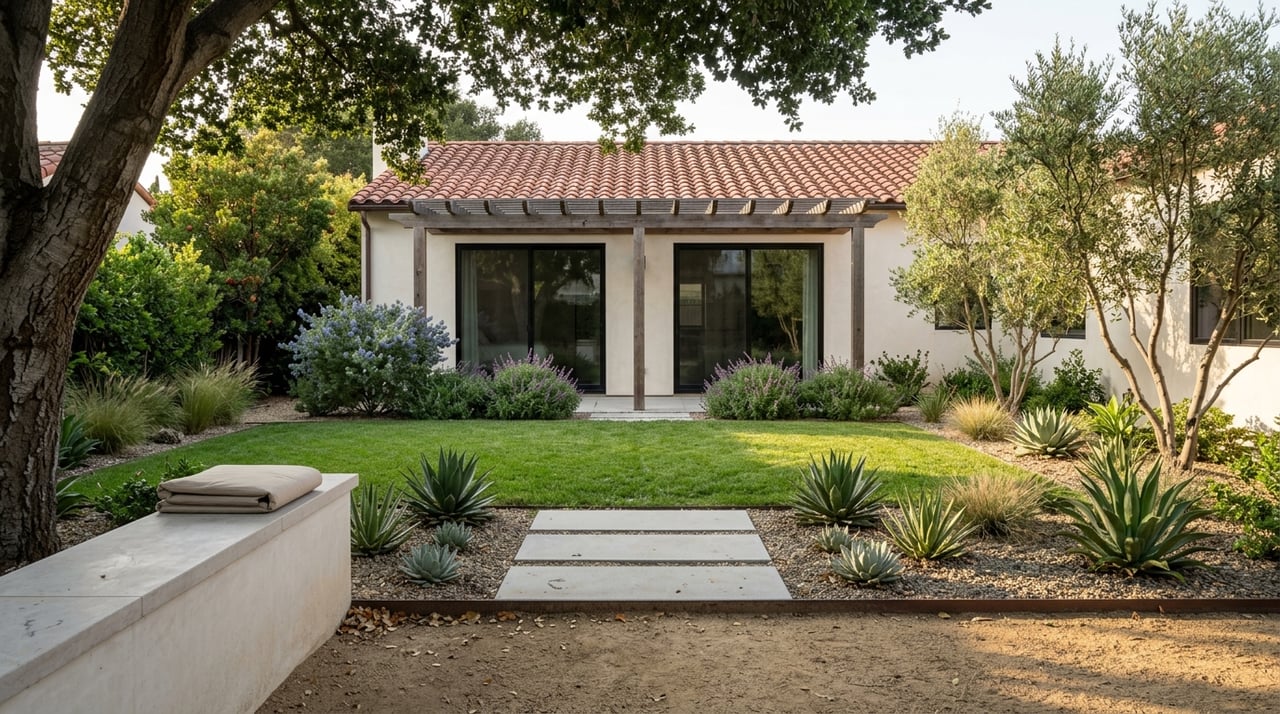
- Detached ADU in the rear yard
- Attached ADU added to the main house
- Garage conversion to a studio or 1‑bedroom
- Junior ADU carved from the existing floor plan
Duplexes and small multifamily
Duplexes, triplexes, and fourplexes are common across West LA. These appeal to owner‑users and investors who like house‑hacking or steady, diversified rent rolls. In Los Angeles, always check how rent control applies, since it can change underwriting and long‑term strategy. The City’s Rent Stabilization Ordinance (RSO) covers many pre‑1979 units, while AB 1482 applies statewide to many others. Review the City’s overview of what is covered under the RSO before you model rent growth or turnover.
Condos and HOAs
If you are looking at a condo or townhome, check the HOA’s CC&Rs and any recorded covenants early. State law limits some HOA restrictions on ADUs, but local implementation and recorded rules matter. Treat HOA compliance as a closing‑level check, and verify what is truly allowed on that parcel.
Key ADU rules in Los Angeles
Here are the essentials you should know before you sketch an ADU or write an offer.
State framework. California’s ADU laws create a by‑right path under objective standards and timelines. Cities must follow these maximum standards, though they can publish local checklists and objective design rules. Review the HCD ADU Handbook for allowed unit types, size, height, setbacks, and review timelines.
Fee protections. Under state law, ADUs under 750 square feet are exempt from local impact fees. For ADUs 750 square feet and larger, fees must be proportional to the ADU’s size relative to the primary dwelling. This 750‑square‑foot threshold is a key budget lever.
Owner‑occupancy. Current state rules prohibit local agencies from requiring owner occupancy for most ADUs permitted after recent legislative changes. Junior ADUs have their own rules. Check the HCD guidance for current details.
Local process and parking. Los Angeles implements state law through LADBS and City Planning with objective standards and a Standard Plan Program that can speed plan check. Parking is often not required if the property is within one half mile of transit. See the LADBS ADU resource page for submittal checklists and the Standard Plan Program.
SB 9 as an alternate path. SB 9 allows ministerial duplex developments and urban lot splits on qualifying single‑family parcels, with objective local standards. In some cases, combining SB 9 with ADUs can increase total unit yield, but it requires careful sequencing. Review Los Angeles’ SB 9 implementation page for two‑unit and lot split standards.
Cost, timing, and how to think about returns
Every site is different, but local ranges help you plan before you call contractors.
Typical build ranges. Many West LA garage conversions or junior ADUs run about 75,000 to 200,000 dollars. Detached or larger attached ADUs often land around 150,000 to 450,000 dollars or more, driven by size, utilities, and finishes. Use these as rough benchmarks, then confirm with contractor bids.
Permitting and delivery. LADBS plan check and permits commonly take several weeks to a few months. From concept to certificate of occupancy, expect about 6 to 18 months. Using a Standard Plan can save early soft costs and time.
The 750‑square‑foot decision. Because ADUs under 750 square feet are exempt from local impact fees, some owners size a one‑bedroom or efficient two‑bedroom near that line to balance rent potential and soft costs.
Underwriting basics. Keep the math simple and consistent:
- Cap rate = Net Operating Income divided by Price.
- GRM = Price divided by Gross Rent.
- Cash‑on‑cash = Before‑tax cash flow divided by initial cash invested.
In much of the Westside, small multifamily trades at mid single digit cap rates, with tighter pricing near UCLA and Westwood. For an ADU, break the analysis into two parts: construction cost and expected rent. If a 1‑bedroom ADU in 90025 rents in the low to mid 2,000s and your all‑in cost is in the low 200,000s, you can quickly test GRM and a rough payback timeline before refining operating expenses, vacancy, and financing.
Financing and taxes to plan for
Conventional financing with ADU income. Primary agencies allow properties with ADUs and, in many cases, allow ADU rental income to help you qualify. Fannie Mae’s guidance outlines how ADUs fit into standard products and what documentation is needed. Review the Fannie Mae page on accessory dwelling units as you discuss options with your lender.
Renovation loan paths. FHA 203(k) and other renovation or construction products are commonly used to fund ADU work. Many lenders now underwrite ADU income more flexibly than in prior years.
Property tax treatment. Under California’s Proposition 13 framework, adding an ADU is treated as new construction. The assessor generally adds the ADU’s value to your existing base rather than fully reassessing the entire property. As a simple rule of thumb, expect your annual property tax bill to rise by roughly 1 percent of the ADU’s assessed value, plus any local assessments. For background from the Assessor’s office, see this overview of how ADUs are treated for property taxes.
Due diligence and leasing checklist
Before you buy or build, run this quick, practical checklist.
Confirm zoning and overlays. Use ZIMAS and City Planning to verify zoning, specific plans, HPOZs, Q‑conditions, and fire‑hazard overlays. Start at the City’s zoning and land use map.
Verify ADU feasibility. Cross‑check parcel setbacks, lot coverage, and design limits with LADBS submittal checklists. Review the state framework in the HCD ADU Handbook and the City’s ADU page to spot early hurdles.
Rent control and tenant protections. Identify which regime covers each unit. Many pre‑1979 units fall under the City’s RSO, and other non‑RSO units may be covered by AB 1482. Read the City’s summary of RSO coverage and plan your leasing and notices accordingly.
Recorded documents and HOAs. Review CC&Rs, easements, and any recorded conditions. For condos or townhomes, confirm HOA rules and approval steps before you commit to an ADU plan.
Utilities and meters. Check electrical capacity, water and sewer laterals, and the cost to add or separate meters. Remember the 750‑square‑foot impact fee threshold when you compare designs.
Leasing compliance. Use required LA disclosures, AB 1482 notices where applicable, and register RSO‑covered units. Keep good records of rent history and notices. Avoid short‑term rentals unless you confirm they are allowed by the City and any HOA.
How Kate supports your 90025 plan
You do not need to navigate this alone. With a boutique, hands‑on approach supported by Compass tools, here is how I help you move from idea to income in 90025:
- Quick parcel pre‑screen. I run a ZIMAS check for zoning, overlays, and potential RSO status to catch red flags early.
- Early ADU yield sketch. I outline size options, likely parking and fee triggers, and rough cost ranges so you can build a first‑pass pro forma before you write an offer.
- Assemble the right team. I connect you with ADU‑experienced architects who can use Standard Plans, contractors familiar with LADBS, and lenders who underwrite ADU income.
- Underwrite with local rules in mind. Offers reflect real permit and entitlement timelines, SB 9 caveats where relevant, and rent‑control exposure.
- Leasing strategy. When the unit is ready, I help with pricing, comps, required registrations, and a smooth handoff to property management if you want it.
- Close cleanly. We confirm recorded items, plan for supplemental assessments after new construction, and obtain HOA approvals where needed.
If you are ready to explore an ADU, duplex, or modest fourplex in 90025, let’s map a plan that fits your goals and timeline. Reach out to Kate Nalbandova to schedule a free consultation.
FAQs
What makes 90025 attractive for ADUs and small rentals?
- 90025 sits near UCLA, Century City, and major Westside employers, which supports steady demand for smaller, well‑located rentals at strong rents.
How much do ADUs in 90025 typically rent for?
- West LA medians are near 3,100 dollars per month across unit types, and many 1‑bedroom units list in the low to mid 2,000s, with 2‑bedrooms in the 3,000s to 4,000s range.
Do I need to live on the property to rent an ADU in Los Angeles?
- For most ADUs permitted under current state law, local agencies cannot require owner occupancy; junior ADUs have separate rules.
How long does it take to permit and build an ADU in Los Angeles?
- Plan check and permits often take several weeks to a few months, and full delivery typically runs 6 to 18 months; Standard Plans can shorten early steps.
Are ADU units in Los Angeles subject to rent control?
- It depends on the property and build dates. Many pre‑1979 units fall under the City’s RSO, while other units may be covered by AB 1482; verify coverage for each unit before leasing.
Will adding an ADU increase my property taxes?
- Yes. Under Proposition 13, the ADU is assessed as new construction and added to your base, typically increasing your annual bill by roughly 1 percent of the ADU’s assessed value.