Considering a move to Santa Monica? Picture morning coffee on a breezy sidewalk, errands done on foot, and sunset bike rides along the beach. Living here blends small-city convenience with coastal calm, which is why so many people fall for it. In this guide, you’ll learn how daily life really works: walkability, transit, parks and beaches, neighborhood vibes, housing costs, and important local rules. Let’s dive in.
The feel of Santa Monica
Santa Monica is a compact beachfront city on Los Angeles’ Westside with a lively, walkable core and distinct residential pockets that each offer a different pace. Downtown centers on the Third Street Promenade and Santa Monica Place, with a mix of shopping, dining, entertainment, and higher-density condo living.
Many residents build daily routines around short trips to cafes, classes, and markets. The city is considered very walkable overall, and core neighborhoods like Downtown and Ocean Park score higher than average for pedestrian life. You can explore neighborhood walkability using the city’s Walk Score overview.
Getting around: walk, bike, transit, or car
Walkability and short trips
You can cover a lot of daily needs on foot in central Santa Monica. Coffee, fitness, groceries, and dinner plans are often within a few blocks. That pedestrian rhythm shapes life here, especially if you live near Downtown, Ocean Avenue, Montana Avenue, or Main Street. Check the Walk Score map for Santa Monica to see how specific addresses stack up.
Biking and the Strand
Santa Monica is bike-friendly by LA standards. The Marvin Braude Bike Trail, known locally as The Strand, runs along the coast and is a favorite for commuting, exercise, and weekend cruising. You will also see shared scooters and bike rentals that make quick trips easy without a car.
Transit: Big Blue Bus and the E Line
If you prefer not to drive, you have options. The city-operated Big Blue Bus runs multiple routes across Santa Monica and connects to nearby Westside hubs. You can review routes and schedules on the Big Blue Bus site.
The LA Metro E Line light rail terminates at Downtown Santa Monica, restoring a one-seat rail connection between the beach and key parts of Los Angeles. Service runs frequently, and the line is a practical option for some commutes and events across the Westside and beyond. Learn more about the rail line on the E Line reference page.
Driving, parking, and commute timing
Parking in the core can be tight, especially near the beach and Promenade. Expect metered street parking and public structures, and remember that peak times fill fast. Traffic on the I-10 and Pacific Coast Highway ebbs and flows by hour, so trip times vary widely. Many residents balance the convenience of walkable amenities with off-street parking needs when they choose a home.
Neighborhood vignettes and housing styles
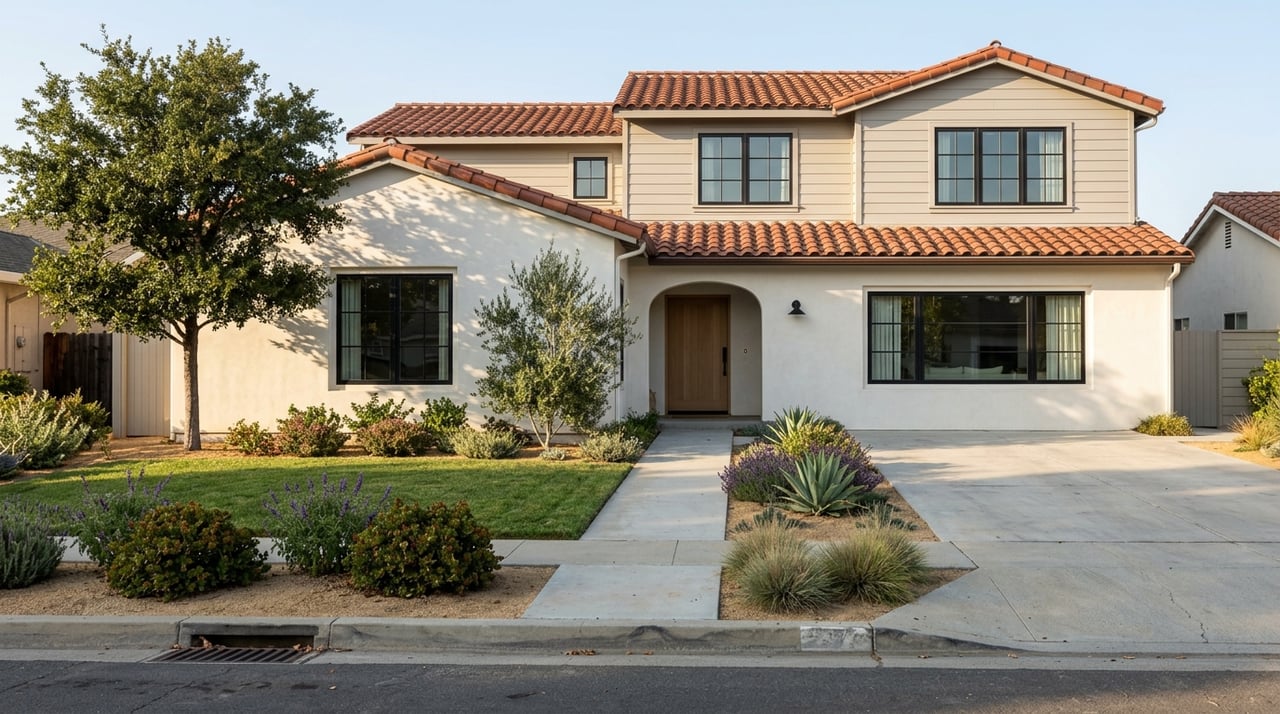
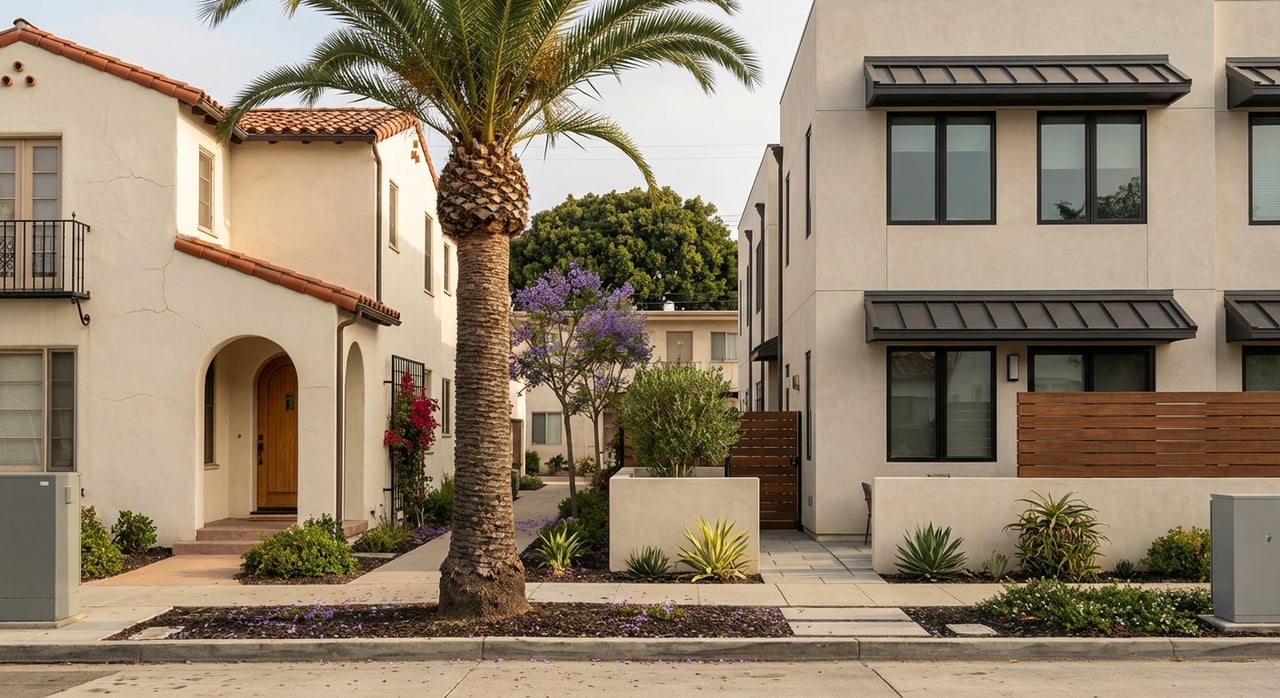
Santa Monica’s housing mix ranges from high-rise condos to townhomes and classic single-family homes. That variety directly shapes daily life.
Downtown, Promenade, and Ocean Avenue
Expect high-density condo and mixed-use buildings, smaller private floor plans, and shared amenities like gyms or roof decks. Life here is car-light. You might walk to dinner, pick up produce midweek, then hop the E Line on weekends for events across the city.
Montana Avenue and Wilshire–Montana
Montana Avenue feels like a neighborhood main street with boutiques, coffee spots, and services in a compact strip. A few blocks away, you will find townhomes and smaller single-family homes. Many residents do a quick morning loop to a cafe, then stroll back for errands later in the day.
Ocean Park and Main Street
Closer to the beach with a relaxed coastal pace, Ocean Park mixes older bungalows, townhomes, and new infill. Main Street anchors independent restaurants and wellness studios. It is common to take a late-afternoon bike ride on The Strand, then meet friends for a casual dinner nearby.
North of Montana and Sunset Park
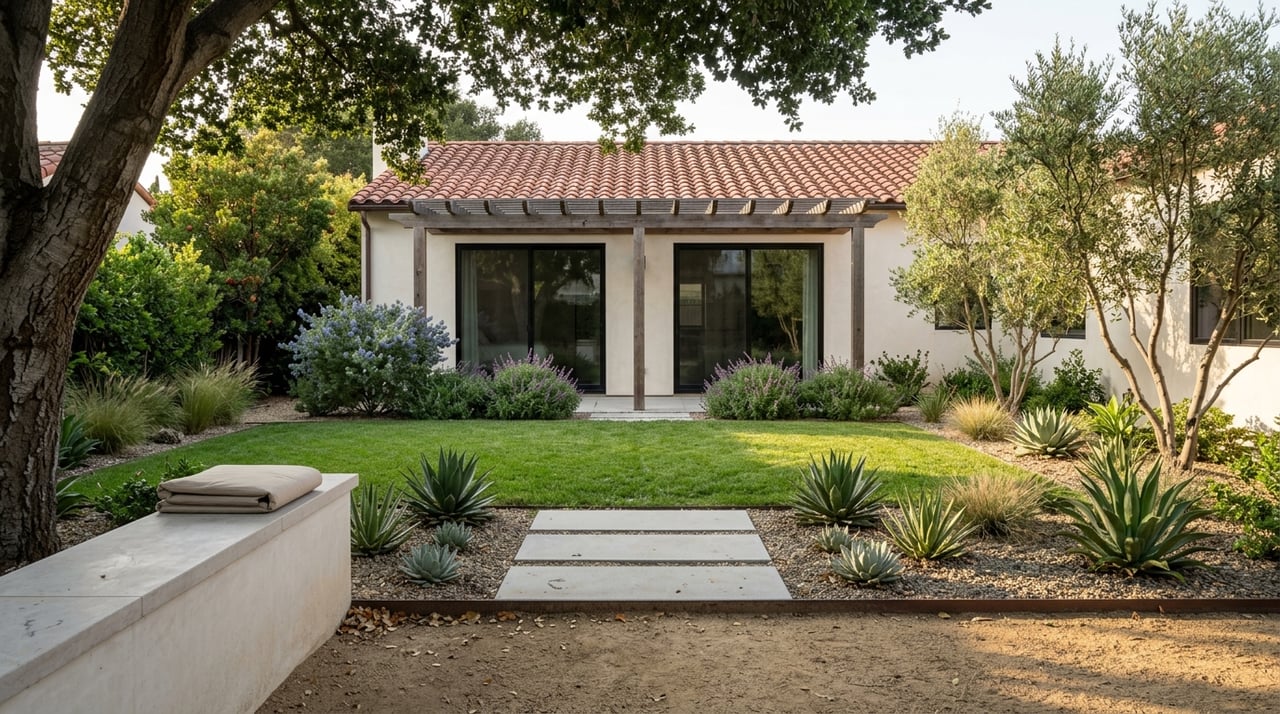
These areas are primarily single-family homes with larger lots and more private outdoor space. Routines often revolve around at-home gatherings, backyard time, and planned car trips for shopping. You are still within a short drive or bike ride to parks and the beach.
Beach, parks, and everyday outdoor life
The Pier and beachfront parks
The Santa Monica Pier is both a landmark and a practical part of daily leisure. You can find casual dining, entertainment, and easy access to the sand and bike path. Explore highlights and current happenings on the Pier’s official guide.
Tongva Park and Palisades Park
Near the Pier, Tongva Park offers sculpted play areas, shady paths, and ocean views that locals use daily for walks and downtime. Palisades Park lines the bluff with a front-row view of the coast. Many residents build a simple ritual around a late-morning walk when the sun breaks through.
Annenberg Community Beach House
This public beachfront facility offers a historic pool, beach access, classes, and seasonal programs. It is a useful amenity if you prefer structured activities or a spot to gather with guests.
Food, markets, and wellness culture
Santa Monica’s food scene is dense for a small city, and you can often do weekly produce runs at the farmers’ markets. The wellness economy is strong too. You will find yoga, pilates, boutique fitness, and specialty grocers throughout the city, which makes it simple to keep health routines local. The city regularly highlights its markets and programs; you can reference the farmers’ market updates on Santa Monica’s site for a sense of how they are organized.
Housing costs and rental rules to know
Home prices and rents
Santa Monica is one of the higher-cost coastal markets in Greater Los Angeles. Recent snapshots place typical home values in the mid to high millions, with listing prices often trending higher for larger homes and prime locations. Median asking rents tend to sit in the low to mid four thousand range, depending on neighborhood and unit size. Prices vary by property type, condition, and proximity to the beach.
Rent control and renter resources
Santa Monica operates a local rent-control program that covers many rental units and sets annual adjustment rules. If you plan to rent or own a rental, review the city’s official rent control explainer and tools. The Rent Control office is an active resource for tenant and owner questions.
Short-term rental rules
Santa Monica strictly regulates short-term rentals. Unhosted vacation rentals are not permitted, and home-sharing requires registration and compliance. The city has consistently enforced these rules, including formal actions with major platforms. You can read the city’s policy stance in the official home-sharing settlement release.
Schools, healthcare, and practical services
Schools
Public schools are served by the Santa Monica–Malibu Unified School District. If proximity to specific programs is important, confirm details and boundaries directly with the SMMUSD.
Healthcare
You have access to major care close to home, including UCLA Santa Monica Medical Center and Providence Saint John’s nearby. UCLA Health highlights patient experience at its Santa Monica facility in this press release, which underscores the depth of local services.
Weather and seasonal rhythms
Santa Monica has a mild Mediterranean climate with a regular marine layer in late spring. Locals often call it May or June gloom. Mornings can be cool and overcast, with sunshine later in the day. The phenomenon is tied to regional wind patterns known as the Catalina eddy, described in this overview.
Public spaces and city life
Like many coastal city centers, Santa Monica manages busy public spaces that serve residents, visitors, and people in need. The city runs programs and enforcement to keep public areas active and usable. Your day-to-day experience will vary by block and time of day, as it does across most urban coastal hubs.
Is Santa Monica a fit for you?
Choose Santa Monica if you want a place where you can walk to a lot of your daily needs, live close to sand and parks, and keep transit and biking in the mix. Expect higher-than-average housing costs and a premium on proximity to the beach. If you prefer more space and private outdoor areas, look to single-family pockets further from the core; if you want a car-light routine, condos and townhomes near Downtown, Montana Avenue, and Main Street make that practical.
If you are weighing neighborhoods or planning a move, you do not have to figure it out alone. Reach out to Kate Nalbandova for a clear, local plan tailored to how you want to live.
FAQs
How walkable is Santa Monica for daily errands?
- Core neighborhoods score well for walkability, and many errands are practical on foot. Check specific addresses on the Walk Score city page.
What are the main transit options if I do not want to drive?
- The Big Blue Bus covers local routes across the Westside, and the Metro E Line terminates in Downtown Santa Monica for rail access across LA. See Big Blue Bus routes and the E Line overview.
How close to the beach will I be in most areas?
- Many central neighborhoods are a short walk, bike, or transit ride from the sand. Downtown, Ocean Avenue, and Ocean Park sit closest; other areas are typically a brief drive or ride away.
Can I legally rent my home short term on a platform?
- Santa Monica limits unhosted short-term rentals and requires registration for home-sharing. The city actively enforces the rules, outlined in this official release.
What should I budget for housing in Santa Monica?
- Expect higher-than-LA-average costs. Recent snapshots place typical home values in the mid to high millions, and median asking rents in the low to mid four thousand range, with wide variation by location and property type.