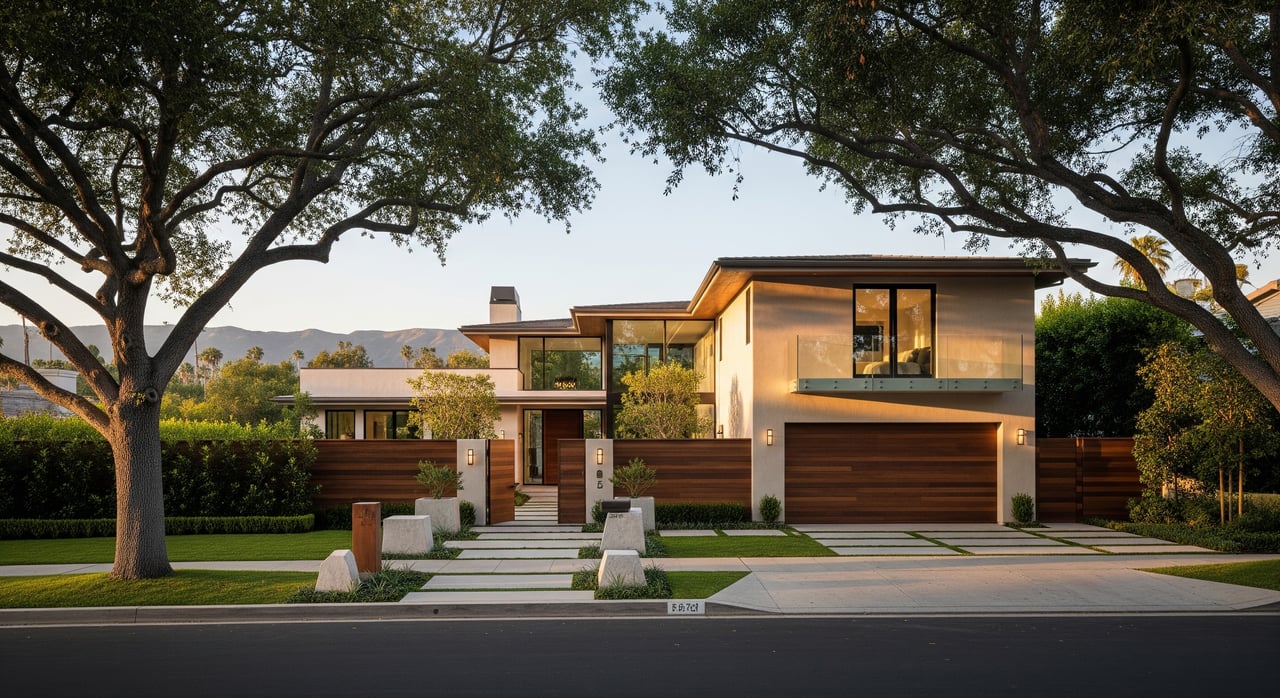
Trying to choose between Sherman Oaks and Studio City? You’re not alone. Both give you prime Valley living along Ventura Boulevard, easy access to major job centers, and a strong mix of homes and amenities. The right fit comes down to how you weigh space, walkability, commute routes, and budget. This guide breaks down the trade‑offs and gives you a simple on‑the‑ground checklist so you can pick with confidence. Let’s dive in.
Quick vibe: two strong Valley choices
Sherman Oaks at a glance
Sherman Oaks covers a larger footprint with a wide range of housing and streetscapes. You’ll see single‑family homes on mid‑sized suburban lots, clusters of condos and townhomes near major corridors, and larger hillside properties with more privacy. It appeals if you want more interior and yard space, varied inventory, and straightforward freeway access to the Westside and central LA.
Studio City at a glance
Studio City has a smaller, more compact core centered on Ventura Boulevard and the studio presence. Many pockets feel village‑like and walkable, with a high density of cafes and restaurants. It draws professionals who value a lively dining scene, quick access to studios and Burbank, and a tighter‑knit commercial stretch you can enjoy on foot.
Housing and lot sizes
What you’ll find in Sherman Oaks
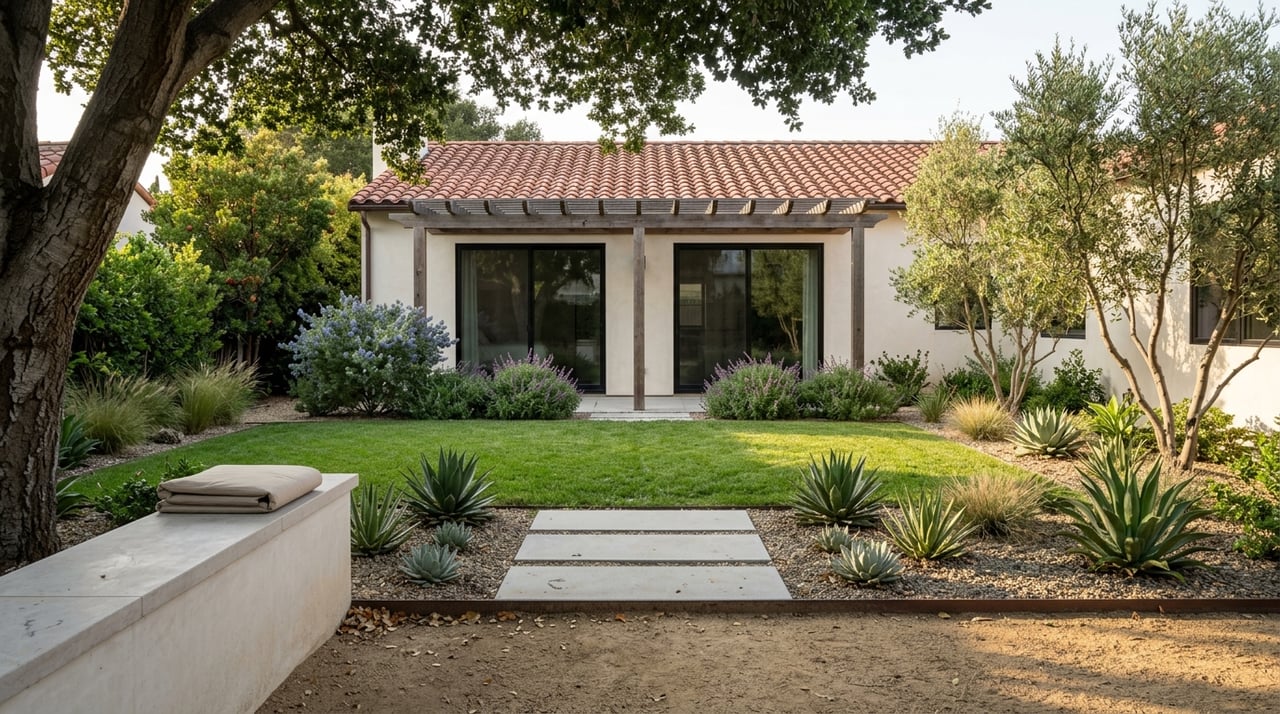
Expect a mix of ranch, mid‑century, and Mediterranean‑style single‑family homes, plus condos and townhomes close to Ventura and major arterials. The hills and canyon‑adjacent areas offer larger parcels and some higher‑end custom homes. If a bigger yard and more interior space are priorities, Sherman Oaks gives you broader options.
What you’ll find in Studio City
You’ll see single‑family homes, duplexes, and boutique low‑rise condos near the Ventura corridor. Many flat‑area lots are smaller with tighter setbacks, which supports a pedestrian feel in select pockets. Hillside streets north of Ventura offer larger lots, though these are more limited and can command premiums.
Renovation and infill patterns
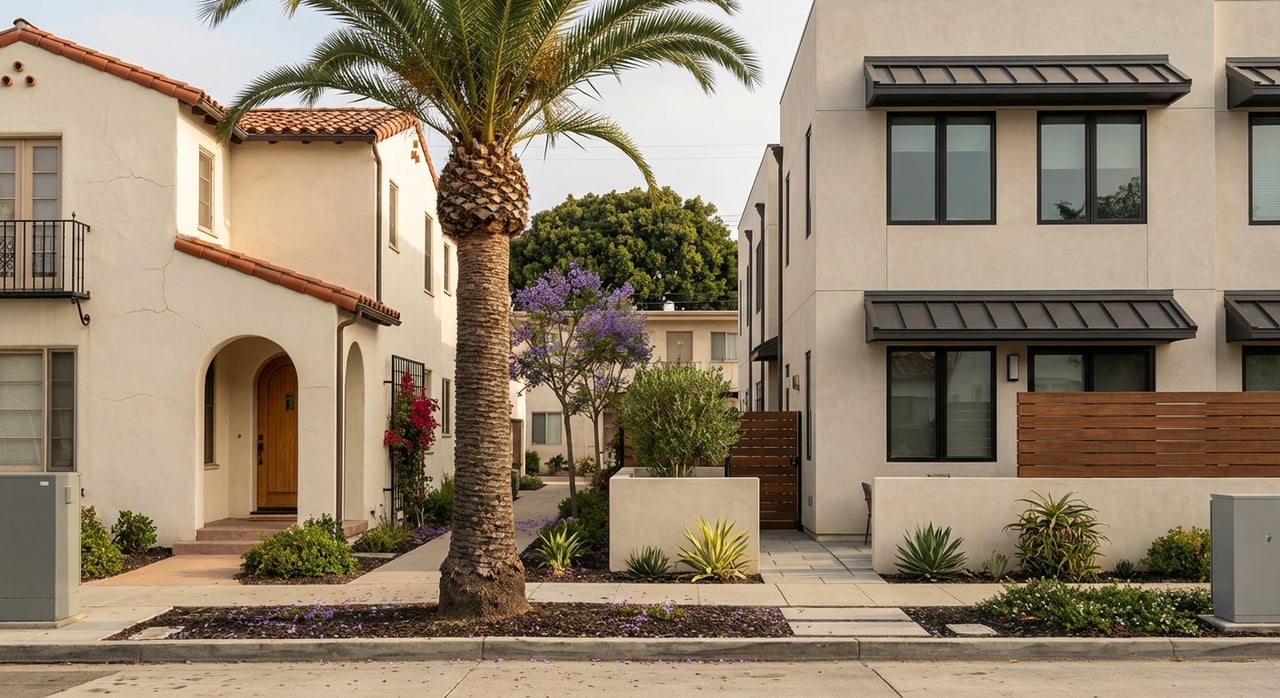
Both neighborhoods blend mid‑20th‑century homes with newer remodels and infill. Studio City’s compact core supports small‑lot redevelopment and boutique condos, while Sherman Oaks sees townhouse projects and targeted tear‑downs. If you want turnkey and walkable, Studio City gives you options. If you want to expand or customize on a larger lot, Sherman Oaks often makes that easier.
Price patterns to watch
Generally, Studio City tends to trend at or above Sherman Oaks prices for smaller, walkable, and tastefully remodeled homes, especially near the village and in the hills. Sherman Oaks often offers stronger price per square foot for larger homes and larger lots, which is attractive for move‑up buyers. Prices vary block by block based on proximity to Ventura Boulevard, freeway access, hillside positioning, and renovation quality.
To compare current numbers, look at recent 30‑, 60‑, and 90‑day data for each neighborhood by property type, bed‑bath count, and lot or building size. Track inventory and days on market to gauge short‑term leverage. Mortgage rates influence activity and affordability, so factor the interest‑rate backdrop into timing and pricing expectations.
Commute and connectivity
Key freeways and canyons
The 101 runs through both neighborhoods for direct access to Hollywood and downtown. Coldwater Canyon and Laurel Canyon connect you to Hollywood from the Valley. The 405 via the Sepulveda Corridor is your Westside route. Expect heavy congestion at the 405/101 interchange, along Ventura near busy nodes, and on canyon approaches during rush hour.
Typical commute patterns
- To studios and Burbank: Studio City is slightly closer for many addresses, which can shave time off daily commutes to studio hubs or the Burbank airport.
- To the Westside: Sherman Oaks can offer a more direct hop to the 405 or Sepulveda, depending on your exact starting point.
- To downtown or Hollywood: The 101 is your main artery from both areas, with travel times that swing widely at peak hours.
Transit and alternatives
Public transit exists but most residents rely on cars for commute reliability. You can check routes and schedules on the official LA Metro maps and schedules. If you want to evaluate walkability around specific addresses, scan Walk Score snapshots for a quick read.
How to test your routes
Peak traffic can turn a short distance into a long drive. Before you decide, run your actual commute during weekday peaks. Review real‑time conditions with Caltrans QuickMap traffic reports and note bottlenecks near on‑ramps and canyon roads. A small location tweak can save you 30 to 60 minutes per day.
Dining, shopping, and recreation
Ventura Boulevard, two ways
Both neighborhoods share Ventura Boulevard as their commercial heart. Studio City’s stretch feels more compact and walkable, with lots of cafes and restaurants packed into a short distance. Sherman Oaks’ span runs longer with larger retail footprints, including the Sherman Oaks Galleria, plus a mix of independent spots and well‑known chains.
Parks and outdoor access
If you love quick nature breaks, Studio City offers fast access to Fryman Canyon and nearby trails for morning hikes or evening loops. Sherman Oaks delivers convenient suburban amenities and neighborhood parks, with larger Valley parks like Lake Balboa a short drive from either area.
Nightlife and daily conveniences
Studio City skews toward concentrated nightlife and high‑end casual dining that is easy to enjoy without getting in the car. Sherman Oaks gives you a broad range of everyday shopping and dining, with family‑friendly options and pockets of elevated cuisine sprinkled along Ventura.
Which fits your lifestyle?
If you want space and a yard
Sherman Oaks is often the better match. You’ll find more single‑family inventory and a wider range of lot sizes, especially in hillside or canyon‑adjacent areas. The trade‑off is less of a village feel in many parts.
If you want walkability and a lively core
Studio City shines if you prioritize being steps from coffee, dining, and evening options. The trade‑off is typically smaller average lots and tighter streets in the flat areas.
If commute predictability is essential
Neither neighborhood eliminates LA traffic. Choose based on your most frequent corridor and test it in real conditions. Living closer to your primary on‑ramp or canyon road can make a bigger difference than neighborhood labels.
If you’re thinking about resale
Turnkey, walkable homes in Studio City attract steady attention from buyers who prize location and convenience. Larger‑lot homes in Sherman Oaks appeal to move‑up buyers seeking more space for the money. Your best indicator will be recent comparable sales in the micro‑area you are targeting.
On‑the‑ground touring checklist
Use this quick list to compare apples to apples:
- Time your drives: Test your commute during weekday peaks in both neighborhoods.
- Walk Ventura: Spend 30 to 60 minutes in each area at different times to gauge vibe, noise, and parking.
- Note the surroundings: Check distance to freeway on‑ramps, canyon roads, and any arterial noise.
- Check light and orientation: Sun patterns and canyon shade can change how you use outdoor space.
- Ask practical questions: Garbage pickup, permit parking, HOA rules if applicable, and any nearby construction.
- Verify basics: For parcel context and potential expansion, review Los Angeles City Planning resources and LA County Assessor parcel maps.
How I can help you decide
You deserve a clear, low‑stress path to the right fit. I advise buyers across Sherman Oaks and Studio City with a data‑driven, boots‑on‑the‑ground process that aligns with your daily life, not just a price tag. If you are relocating or prefer Russian, I offer bilingual guidance and coordinated support from search to closing. When you are ready, let’s tailor a short list, test commute routes, and compare true value home by home.
Have questions or want a personalized comparison? Reach out to Kate Nalbandova to schedule your free consultation.
FAQs
What is the main lifestyle difference between Sherman Oaks and Studio City?
- Studio City offers a more compact, walkable core with dense dining options, while Sherman Oaks covers a larger area with broader housing variety and more opportunities for larger lots.
How do commutes to the Westside and Burbank differ from each area?
- Sherman Oaks often provides a more direct link to the 405 for Westside jobs, while Studio City sits closer to major studios and Burbank, potentially trimming drive time depending on your exact address.
Which neighborhood typically has larger lots and more yard space?
- Sherman Oaks generally offers a wider range of lot sizes and more opportunities for larger parcels, especially near hillside and canyon‑adjacent streets.
How walkable are these neighborhoods if I want to go car‑light?
- Studio City’s Ventura corridor is more concentrated and pedestrian friendly in many pockets, while Sherman Oaks’ amenities are more spread out along a longer stretch of Ventura Boulevard.
How should I compare prices between the two neighborhoods?
- Look at recent sales for similar property type, bed‑bath count, square footage, lot size, and condition within a 30‑ to 90‑day window, then compare inventory and days on market for short‑term leverage.
Is public transit a practical alternative to driving here?
- Transit options exist, but most residents rely on cars for commute reliability; review routes on LA Metro maps and schedules and test door‑to‑door times yourself.