Landing a new role at a Burbank studio and wondering where to live? You want a short commute, a home that fits your lifestyle and budget, and a plan that makes moving simple. This guide gives you practical housing options, commute insights, neighborhood snapshots, and a first 30 days checklist designed for studio and aviation pros. Let’s dive in.
Why Burbank works for studio pros
Close to major lots
Warner Bros. and The Walt Disney Studios are based in Burbank, with many post houses, sound stages, and VFX companies clustered in the Media District. NBCUniversal in Universal City is also close, and Studio City and North Hollywood are nearby. If your team moves between lots, living in Burbank helps you keep drives short and schedules flexible.
Easy airport access
Hollywood Burbank Airport (BUR) is a smaller, convenient hub used often by entertainment professionals. It is helpful for quick business trips and avoiding long treks to larger airports. If you are noise‑sensitive, review airport noise resources and consider neighborhoods set back from primary flight paths.
Day‑to‑day convenience
Vendors, production services, and studio offices are concentrated in and around Burbank’s Media District. That means fewer cross‑town errands and faster turnarounds when you need to be on lot early, late, or multiple times in a day.
Housing options and market dynamics
Condos and townhomes
You will find newer infill condos and townhomes near Downtown Burbank and the Media District. These appeal to single professionals and small families who want low maintenance living and walkable amenities. Many buildings have homeowners associations, so plan for monthly dues, insurance requirements, reserves, and any rental rules.
Single‑family homes
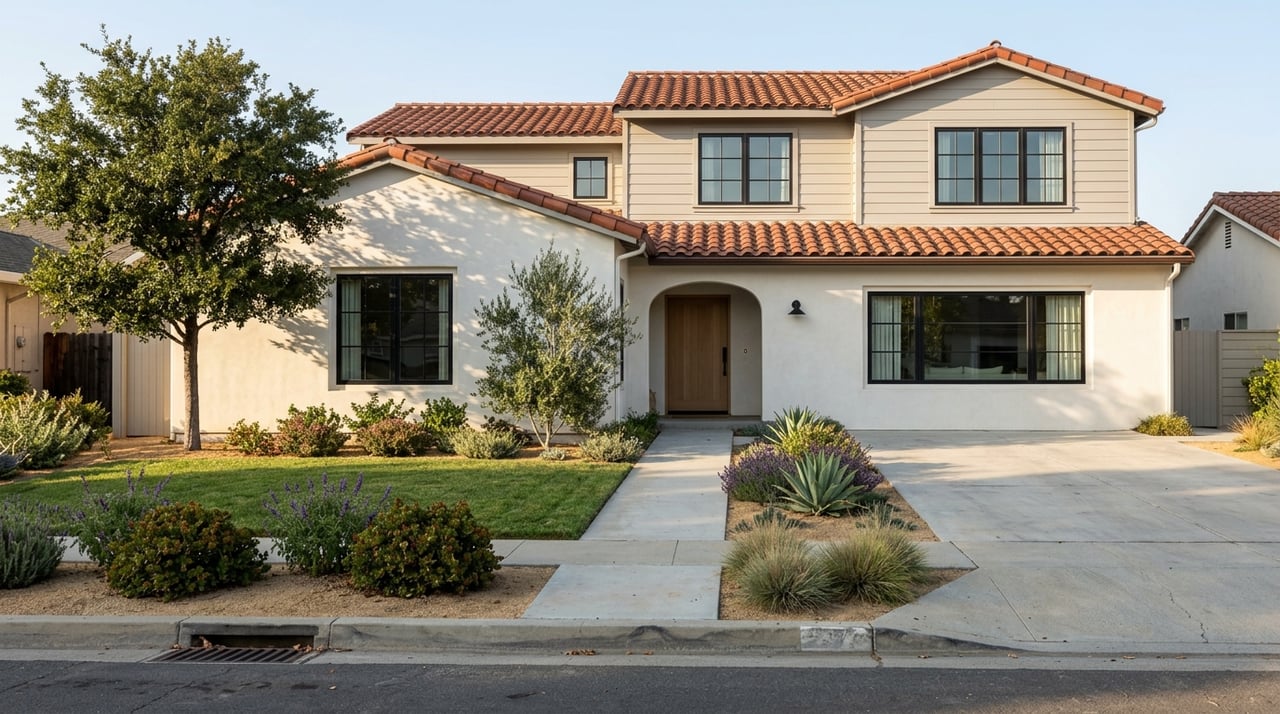
Older Craftsman, Spanish Colonial, and mid‑century homes are common across Magnolia Park, the Rancho area, and parts of North Burbank. Yards and garage parking are typical, which is helpful if you need space for gear or a home office. Renovated properties near the Media District often command premium pricing and can sell quickly.
Apartments and rentals
Rental choices range from vintage walk‑ups to newer luxury communities, concentrated around Downtown, Magnolia Boulevard, and transit corridors. Short‑term furnished housing is popular for relocations, especially around pilot season and production peaks. If you plan to rent first, start early and be ready with documents.
Small multifamily and ADUs
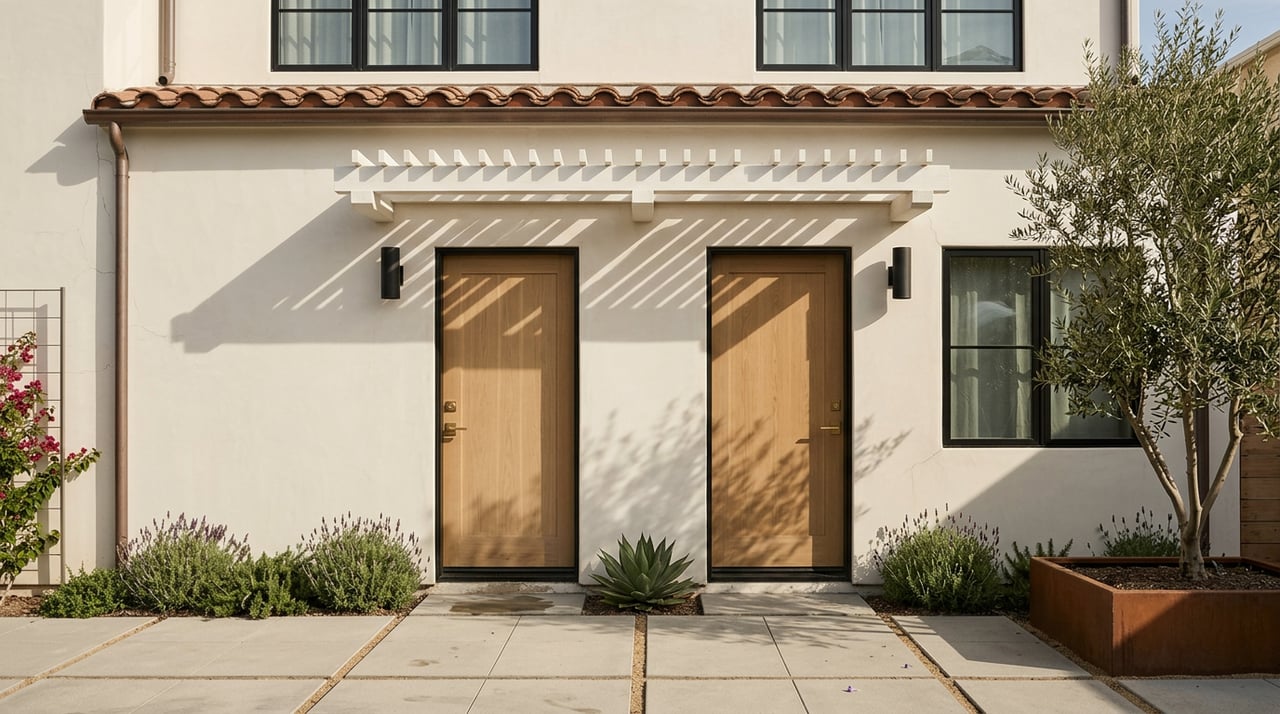
Duplexes and small multifamily properties exist on transitional blocks, and accessory dwelling units are increasingly common under California’s ADU rules. These can work for multi‑generational living or supplemental rental income if allowed by local regulations and HOA policies.
How the market behaves
Inventory near studio hubs can be tight, and desirable blocks may attract multiple offers. Be pre‑qualified and ready to act, especially if you want walkable access to the Media District. Standard escrow timelines in California run about 30 to 45 days for financed purchases, with faster closings possible for cash.
Price guidance in tiers
- Entry condo or townhome options: efficient layouts close to retail and transit.
- Mid‑range single‑family: classic Burbank homes with updates, often in established neighborhoods.
- Premium homes near the Media District: renovated properties or larger lots that trade at higher price points.
For current medians and trend snapshots, review live listings through the local MLS with your agent.
Commute patterns and tradeoffs
Driving basics
Most studio pros drive. Expect heavier traffic during morning hours from about 7 to 10 a.m. and evenings from about 4 to 7 p.m. Key routes include I‑5, US‑101, and SR‑134, with I‑405 for longer cross‑Valley trips. Parking needs vary by lot and role, so confirm passes and policies with your studio.
Transit choices
Metrolink and Amtrak serve Burbank for regional trips and connections to Union Station. LA Metro bus lines and BurbankBus provide local service. Travel times vary by route, but rail connections adjacent to the airport can be useful for certain commutes.
Comparing nearby areas
- Hollywood and West Hollywood: more nightlife‑centric and often farther from Burbank lots. Many studio pros find Burbank commutes shorter when based in Burbank.
- Studio City and Toluca Lake: comparable proximity, sometimes higher cost for similar lot access depending on the block.
- Culver City and Santa Monica: significantly longer drives to Burbank. These can work with flexible hours or hybrid schedules, but plan for cross‑city traffic.
Neighborhood snapshots
Downtown Burbank and the Media District
Walkable to shops, restaurants, and entertainment with a mix of mid‑rise condos and apartments. If you want a short commute and easy transit connections, this area works well. It is popular with singles and busy production staff.
Magnolia Park
A neighborhood feel with boutiques and cafés along Magnolia Boulevard. Many older single‑family homes with character and tree‑lined streets. A good fit if you want a home base with local amenities and a relaxed vibe.
Rancho and Verdugo Hills
Residential pockets with larger lots and some hillside homes with views. Attractive to buyers who value more space while staying close to studios. Expect a more suburban pace.
North Burbank and Airport corridor
Mix of housing types with practical access to the airport and major arterials. If you fly frequently or move between lots, the location can be efficient. Check aircraft noise tolerance during on‑site visits.
Parks, trails, and recreation
You have quick access to the Verdugo Mountains, including Stough Canyon and Wildwood Canyon trails. City parks and recreation programs support year‑round activities. If you like hiking before or after work, Burbank makes it easy.
Schools and enrollment basics
Burbank Unified School District serves most of the city with multiple elementary and middle schools and two main public high schools: Burbank High School and John Burroughs High School. Private school options are also available in and around Burbank. For placement, review boundary maps, performance data, and any enrollment limits before you sign a lease or purchase.
Relocation checklist: your first 30 days
- Define your priorities: commute tolerance, housing type, parking needs, school plans, and budget.
- Secure temporary furnished housing near Downtown or the Media District while you search.
- Schedule a neighborhood orientation that aligns with your shift times and lot locations.
- Begin mortgage pre‑qualification and gather documents. International buyers should allow extra time.
- If you have school‑age children, contact the district early about enrollment and required documents.
- Review airport noise maps and film permit activity if you are noise‑sensitive.
- Start California DMV steps for a driver’s license and vehicle registration after establishing residency.
- Line up movers who can handle delicate production equipment and insured transit if needed.
Financing, taxes, and risk planning
- Property taxes: California’s base rate is around 1 percent of assessed value, plus local assessments. Confirm total taxes and any special assessments during escrow.
- HOA dues: Many condos and townhomes have monthly dues and insurance requirements. Review reserves, coverage, and any rental restrictions.
- International and corporate transfers: Lenders often require higher down payments and more documentation. Some buyers use cash or purchase through entities. Consult experienced lenders and tax counsel early.
- Escrow timing: Conventional closings typically take 30 to 45 days. Cash can be faster.
- Inspections and insurance: Older homes may benefit from seismic retrofits, and earthquake insurance is separate from standard homeowners policies. For hillside properties, assess drainage and seasonal wind conditions.
- Noise mitigation: If you work from home, plan for soundproofing and verify location filming patterns near your block.
How a local advisor helps
A local advisor saves you time by aligning tours with your lot location and work hours. You get help sourcing short‑term housing, coordinating corporate relocation paperwork, and connecting with lenders experienced in international or transferee financing. You also gain negotiation strategies that fit studio schedules, like longer escrows, inspection allowances, or leaseback options when needed.
Ready to make your Burbank move smooth and strategic? Reach out to Kate Nalbandova for a tailored plan and a local partner who understands studio timelines.
FAQs
How close are Burbank homes to Warner Bros., Disney, and NBCUniversal?
- Many neighborhoods in Burbank offer short drives to the lots, with Universal City also very close; living in Burbank typically reduces cross‑town travel.
Should I rent first or buy when relocating for a show?
- If your start date is near pilot season or a production spike, rent short‑term first to learn blocks and noise patterns before buying.
Is it noisy near Hollywood Burbank Airport or studio stages?
- Some airport‑adjacent and stage‑adjacent blocks experience aircraft or production noise; preview homes at different times of day and review local noise resources.
What financing issues do international buyers face in Burbank?
- Many lenders ask for higher down payments and additional documentation; some buyers use cash or entities, and specialized lenders and tax counsel are recommended.
How does public transit compare to driving for studio commutes?
- Driving is most common; Metrolink, Amtrak, LA Metro, and BurbankBus serve select routes, and total time depends on your origin and lot.
What are typical closing timelines for Burbank purchases?
- Conventional escrows usually run 30 to 45 days, while cash closings can be faster depending on inspections and title work.
How should I plan for property taxes and HOA dues?
- Budget for a base property tax near 1 percent plus local assessments, and include HOA dues and insurance requirements if buying a condo or townhome.