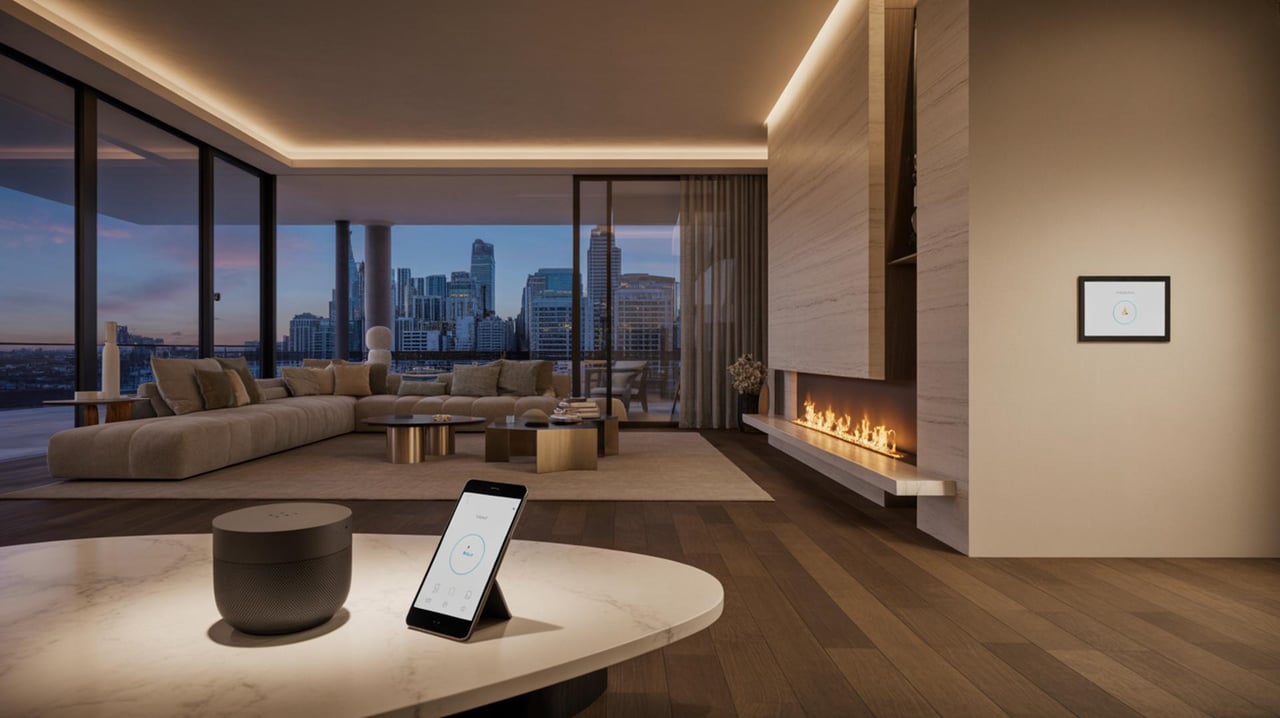
In the rapidly evolving world of technology, smart home innovations are transforming the way people live, offering convenience, efficiency, and enhanced security. These advancements are particularly relevant in urban settings, where the fast-paced lifestyle demands solutions that save time and energy. Smart home technology integrates various devices and systems to create a cohesive and intuitive living environment. From voice-activated assistants to energy-efficient appliances, these innovations cater to modern living needs, making homes more comfortable and manageable.
Smart Lighting Solutions
Smart lighting systems are a cornerstone of modern smart homes. These systems allow homeowners to control lighting remotely via smartphone apps or voice commands. With features like dimming, color-changing, and scheduling, smart lighting enhances ambiance and energy efficiency. For instance, lights can be programmed to turn on at sunset or gradually brighten in the morning, simulating natural light. This not only saves energy but also improves the overall mood and functionality of a home. Integration with other smart devices, such as motion sensors, can further optimize lighting usage, ensuring lights are only on when needed.
Advanced Security Systems
Home security has seen significant advancements with smart technology. Modern security systems include smart cameras, doorbell cameras, and motion detectors that provide real-time alerts and remote monitoring. These systems can be accessed from anywhere, offering peace of mind to homeowners. Features like facial recognition and two-way audio communication enhance security by allowing homeowners to identify visitors and communicate with them without opening the door. Integration with smart locks adds another layer of security, enabling remote locking and unlocking of doors, and granting temporary access to guests or service providers.
Smart Thermostats
Smart thermostats are revolutionizing home climate control by learning homeowners' preferences and optimizing heating and cooling schedules. These devices can be controlled remotely, allowing adjustments to be made from anywhere. By analyzing patterns and using sensors to detect occupancy, smart thermostats reduce energy consumption and lower utility bills. Some models even provide energy usage reports, helping homeowners make informed decisions about their energy consumption. The ability to integrate with other smart home devices, such as window sensors and fans, further enhances the efficiency of these systems.
Voice-Activated Assistants
Voice-activated assistants, such as Amazon Alexa and Google Assistant, have become integral to smart home ecosystems. These devices allow homeowners to control various aspects of their home using simple voice commands. From playing music and setting reminders to controlling smart devices and accessing information, voice assistants streamline daily tasks. Their ability to integrate with a wide range of smart home products makes them a versatile and essential component of modern living. As these assistants continue to evolve, their capabilities expand, offering even greater convenience and functionality.
Smart Appliances
Smart appliances are transforming kitchens and laundry rooms with their connectivity and advanced features. Refrigerators with touchscreens and cameras allow homeowners to view contents remotely and receive expiration alerts. Smart ovens can be preheated from a smartphone, and washing machines can be started or monitored from anywhere. These appliances not only offer convenience but also improve efficiency by optimizing energy and water usage. The ability to receive maintenance alerts and software updates ensures that smart appliances remain functional and up-to-date.
Home Automation Systems
Home automation systems serve as the central hub for smart home devices, allowing seamless integration and control from a single platform. These systems enable homeowners to create customized routines and automate tasks, such as adjusting lighting, temperature, and security settings based on time of day or occupancy. By connecting various devices, home automation systems enhance the overall smart home experience, providing a cohesive and intuitive environment. The ability to monitor and control all aspects of the home from a single app simplifies management and enhances convenience.
Energy Management Solutions
Smart home technology offers innovative solutions for managing energy consumption and reducing environmental impact. Energy management systems provide real-time data on energy usage, allowing homeowners to identify high-consumption areas and make adjustments. Smart plugs and power strips can be used to control and monitor individual devices, ensuring they are only on when needed. Solar panels and battery storage systems can be integrated with smart home technology to optimize energy production and usage. These solutions not only lower utility bills but also contribute to a more sustainable lifestyle.
Smart Entertainment Systems
Smart entertainment systems enhance the home viewing and listening experience with their connectivity and advanced features. Smart TVs and streaming devices offer access to a wide range of content and can be controlled via voice commands or smartphone apps. Multi-room audio systems allow homeowners to enjoy music throughout the house, with the ability to control volume and playback from a central app. The integration of virtual reality and augmented reality technologies offers new possibilities for immersive entertainment experiences, transforming the way people interact with media.
Health and Wellness Technology
Smart home technology is also making strides in the realm of health and wellness. Devices such as smart air purifiers and humidifiers improve indoor air quality, while smart scales and fitness trackers provide valuable health data. Sleep monitoring systems analyze sleep patterns and offer insights for improving sleep quality. These technologies promote a healthier lifestyle by providing personalized recommendations and insights. The ability to integrate health and wellness devices with other smart home systems ensures a holistic approach to well-being.
Future Trends in Smart Home Technology
The future of smart home technology promises even greater advancements and possibilities. Innovations in artificial intelligence and machine learning are expected to enhance the capabilities of smart devices, making them more intuitive and responsive. The development of 5G networks will improve connectivity and enable faster communication between devices. As technology continues to evolve, smart homes will become more personalized and adaptive, offering solutions that cater to individual needs and preferences. The potential for innovation in smart home technology is vast, with new developments continually shaping the future of modern living.
Embrace the Future of Living
Innovative smart home technology is transforming the way we live, making our homes more efficient, secure, and comfortable. From automated lighting to advanced security systems, these technologies offer convenience and peace of mind. As you explore these modern solutions, consider how they can enhance your lifestyle. For personalized guidance on integrating smart tech into your home, reach out to Kate Nalbandova today.